
Back
December 11, 2025 | Timothy Gotcher
How Long Does PPF Last? A Comprehensive Guide to Paint Protection Film in Lewisville
There are few feelings quite like driving a brand-new vehicle off the lot. The paint is pristine, the gloss is deep, and the surface is free of imperfections. Naturally, your first instinct is to protect that investment. For car owners in Lewisville and the wider DFW area, Paint Protection Film (PPF) - often called "clear bra" - has become the gold standard for preserving that showroom finish. Unlike wax or ceramic coatings, which offer chemical protection, PPF provides a robust physical barrier against the harsh realities of the road.
However, a common misconception among vehicle owners is that PPF is a "install it and forget it forever" solution. While it is incredibly durable, it is not invincible. Just like your tires, brake pads, or windshield wipers, Paint Protection Film is a consumable component. Its job is to take the abuse so your paint doesn't have to, and eventually, it will need to be retired.
This leads to the most common question we hear at Ecopal Mobile Detail: How long does PPF actually last before I need to replace it?
The answer isn't a simple number. It involves the quality of the materials, the skill of the installer, and specifically for us, the intensity of the Texas climate. In this guide, we will explore the lifespan of modern PPF, the science behind its durability, and how you can maximize your investment.
The Realistic Lifespan: What to Expect
Generally speaking, a high-quality Paint Protection Film installation typically lasts between five to ten years. This is a significant improvement over the films of the early 2000s, which often cracked or yellowed within two or three years. Modern technology has extended the life cycle of these products dramatically, making them a smart long-term financial decision for vehicle preservation.
However, it is important to distinguish between the different "tiers" of film available on the market. If you purchased a "protection package" directly from a dealership at the time of sale, you might be dealing with an entry-level film. These bulk-manufactured films are often designed for cost-savings rather than longevity. They typically have weaker adhesives and thinner urethane layers, leading to a lifespan that maxes out around three to five years before degradation sets in.
On the other end of the spectrum are professional-grade films installed by certified detailers. At Ecopal Mobile Detail, we exclusively use industry leaders like XPEL and Stek. These premium films are engineered with advanced elastomeric polymers and robust clear coats. When installed correctly and maintained reasonably well, these films are designed to last a full decade. This is why we are able to back our packages with a 10-Year Warranty.
The "Texas Factor": Environmental Challenges in Lewisville
While the manufacturer might rate a film for ten years, the environment in which the car lives plays a massive role in the actual timeline. Lewisville and the surrounding North Texas areas present a unique set of challenges that can accelerate the aging process of any automotive material.
The primary adversary of PPF is UV radiation. We enjoy a lot of sunny days in Texas, but that constant exposure to ultraviolet light attacks the adhesive layer beneath the film. Over time, low-quality adhesives can oxidize, turning the clear film into an unsightly yellow shade. While premium brands like XPEL utilize UV inhibitors to prevent this, constant outdoor parking in the blazing July and August heat will naturally stress the material more than a vehicle that sleeps in a climate-controlled garage.
Furthermore, we have to consider physical wear and tear. Anyone who drives I-35E or Highway 121 knows that construction is a permanent season in Texas. The sheer volume of rock chips, gravel, and road debris flying at your bumper is higher here than in many other parts of the country. While the film is designed to absorb these impacts, an excessive amount of scarring over five or six years might lead you to replace the film for aesthetic reasons, even if the protection is still technically intact.
The Science of Failure: Why PPF Eventually Degrades
To understand why replacement is necessary, it helps to understand what PPF is made of. Modern film is constructed from Thermoplastic Urethane (TPU). This material is chosen for its incredible elasticity and impact resistance. It is capable of absorbing the energy of a flying rock and dispersing it, preventing the paint underneath from chipping.
However, TPU is porous. Over years of exposure to the elements, contaminants can embed themselves into the pores of the film. This includes acidic bug splatter, bird droppings, tree sap, and road tar. If these contaminants are not washed off regularly, they begin to break down the top coat of the film.
Additionally, the adhesive system that bonds the film to your car is subject to a chemical process called hydrolysis. This occurs when moisture from humidity or rain slowly interacts with the adhesive over many years, potentially causing it to weaken or become brittle. When you combine the breakdown of the adhesive with the physical weathering of the urethane surface, you eventually reach the point where the film offers diminishing returns.
Critical Signs It Is Time for Replacement
You usually don't need a microscope to know when your PPF has reached the end of its life. The film will communicate its condition through several visual cues. The most notorious sign is yellowing. If your white car looks pearl-yellow on the hood but bright white on the roof, the film’s UV protection has failed. This is not just cosmetic; it implies the chemical structure of the film is compromised.
Another serious symptom is crazing. This looks like a network of tiny, shattered cracks resembling a spiderweb or shattered glass. Crazing indicates that the urethane has lost its elasticity and become brittle. A crazed film provides almost no impact protection. If a rock hits crazed film, the film is likely to shatter further rather than absorb the blow, allowing damage to transfer directly to the paint.
You should also watch for lifting and peeling. This usually starts at the edges of panels, around headlights, or near wheel wells. Once an edge lifts, it allows dirt, water, and road salt to tunnel underneath the film. This creates an unsightly dark line of grime that cannot be washed away. More dangerously, a lifting edge can catch the wind while you are driving at highway speeds, potentially ripping a larger section of the film off and slapping it against your paint.
The Hidden Danger of Waiting Too Long
There is a crucial reason why we advise customers not to ignore aging PPF. It is not just about aesthetics; it is about the safety of your paint during the removal process.
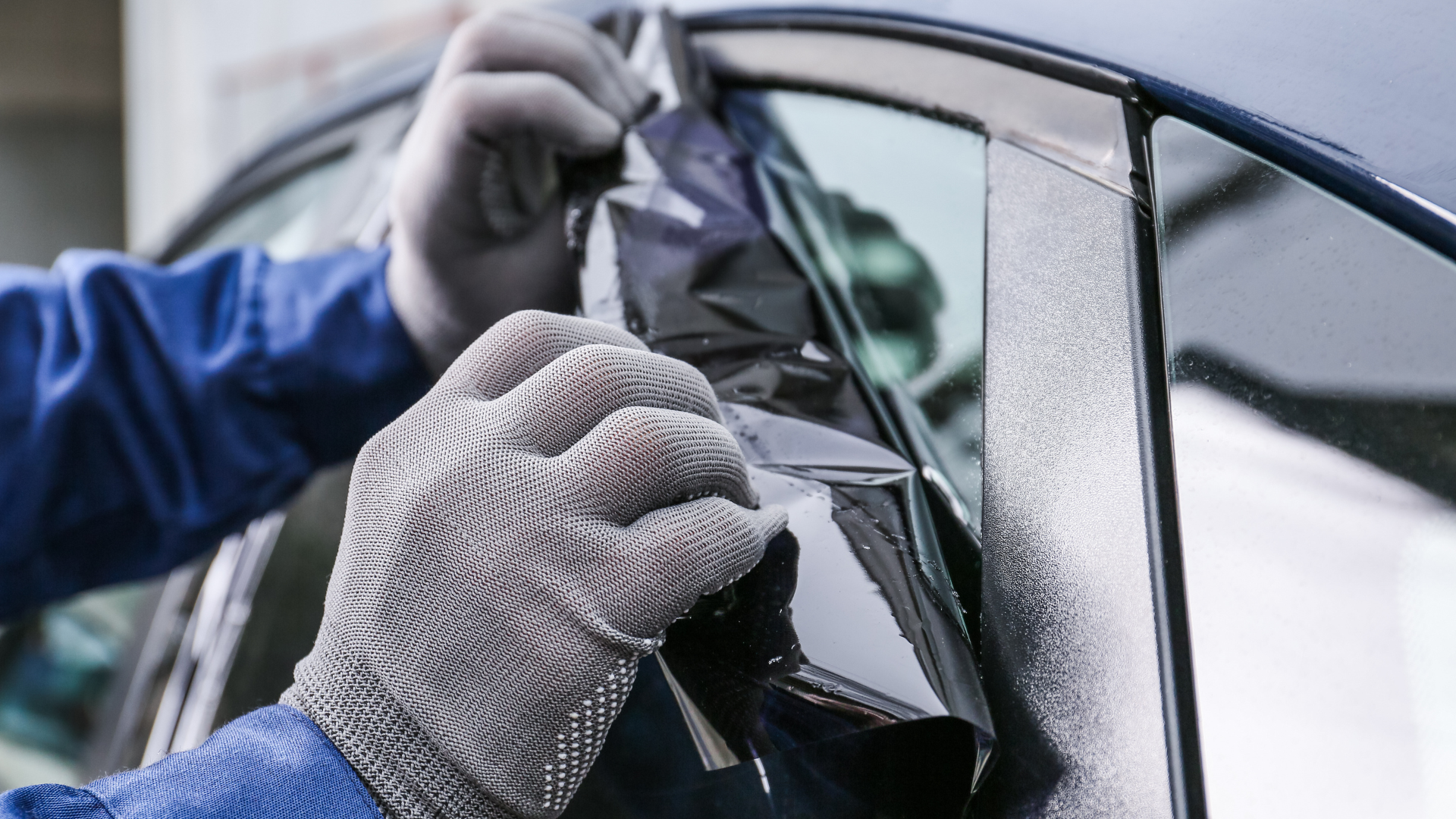
PPF is designed to be removable, but there is a window of opportunity. If a film is left on a vehicle for 12 or 15 years - well past its intended lifespan - the adhesive can bond permanently to the clear coat. The film itself becomes so brittle that it cannot be peeled off in one sheet. Instead, it chips off in tiny flakes, turning a two-hour removal job into a multi-day nightmare.
In worst-case scenarios with severely neglected film, the adhesive bond becomes stronger than the paint's bond to the car body. When a detailer attempts to remove this fossilized film, there is a genuine risk of pulling the paint right off the car. Replacing your PPF within the recommended 10-year window ensures that the removal process is safe, clean, and leaves your paint in pristine condition for the next layer of protection.
How to Maximize Lifespan: Maintenance 101
If you want to ensure your XPEL or Stek film lasts for the full decade covered by our warranty, a proactive maintenance routine is essential. The most effective way to extend the life of PPF is to keep it clean. Regular washing removes the acidic compounds that try to etch the surface.
We strongly recommend the "two-bucket method" or using a foam cannon to minimize friction during washes. Avoid automatic car washes with stiff bristles, as these are the number one cause of premature lifting at the edges. The aggressive mechanical action of those machines can snag a corner of the film and begin the peeling process.
Furthermore, the best companion for PPF is a Ceramic Coating. Many of our Lewisville customers choose to layer a ceramic coating on top of their new film. The ceramic coating acts as a sacrificial barrier for the film itself. It blocks UV rays, repels water and dirt, and prevents bird droppings from staining the urethane. By protecting the protector, you ensure the film stays glossy and clear for years longer than it would on its own.
Why Choose Ecopal Mobile Detail?
When it comes to PPF in Lewisville, the installer matters just as much as the film. A poor installation can fail in six months, regardless of the brand. At Ecopal Mobile Detail, we take a precision approach. We utilize computer-cut patterns that are customized to your specific make and model, ensuring a perfect fit without the risk of cutting on your car with a razor blade.
We are proud to offer XPEL Ultimate Plus and Stek DynoShield, films that define the industry standard for clarity and self-healing capabilities. Because we trust these materials implicitly, we back our Full Frontal, Partial Frontal, and Full Body packages with a robust 10-Year Warranty. This warranty protects you against yellowing, staining, delaminating, peeling, bubbling, and pattern cracking.
We also understand that your time is valuable. That is why we offer the flexibility of both shop-based service and mobile evaluations. We serve the entire community, from the shores of Lake Lewisville to the neighborhoods of Plano, Southlake, and Denton. We aim to make protecting your car as convenient as possible.
Conclusion
Paint Protection Film is arguably the best investment you can make for the longevity of your vehicle's appearance. It creates a fortress around your paint, shielding it from the unavoidable hazards of Texas driving. While it doesn't last forever, a high-quality installation from Ecopal Mobile Detail offers you a decade of peace of mind.
If your current film is showing signs of fatigue like yellowing or cracking, do not wait until it becomes a threat to your paint. Or, if you have just bought a new car and want to start its life off right, let us help you lock in that perfection.
Ready to secure your vehicle's future?
Contact Ecopal Mobile Detail today for a free consultation and quote.