
Back
December 12, 2025 | Timothy Gotcher
How Often Should You Schedule Car Detailing in Lewisville for the Best Results?
There is a profound sense of peace that settles over us when we step into a space that is ordered, clean, and cared for. We feel it in our homes after a thorough spring cleaning, and we certainly feel it in our vehicles. Our cars are more than just machines of metal and glass; they are the vessels that carry us through the journeys of our lives. They take us to our jobs where we provide for our families, they carry us to schools and churches, and they accompany us on road trips that become cherished memories.
Because they serve us so well, I believe there is a principle of stewardship involved in how we treat them. Taking care of what we have with is a way of showing gratitude. However, amidst the busyness of life in Lewisville—between the school runs, the commutes on I-35, and the demands of our work—it is easy to let that care slide. We might wonder, is a simple car wash enough? How often do we really need to go deeper?
If you have been asking yourself, "How often should I schedule car detailing in Lewisville for the best results?" you are not alone. It is a question of balance—balancing our time, our budget, and the longevity of our vehicle. Let’s walk through this together to find a rhythm of renewal that works for you and your car.
Understanding the Difference: A Wash vs. A Detail
To understand the schedule, we first have to understand the depth of the service. Many of us are accustomed to the quick, automated tunnel wash. While this serves a purpose for removing surface dust, it is somewhat akin to a quick rinse in the shower. It handles the immediate surface, but it doesn't address the deep health of the vehicle.
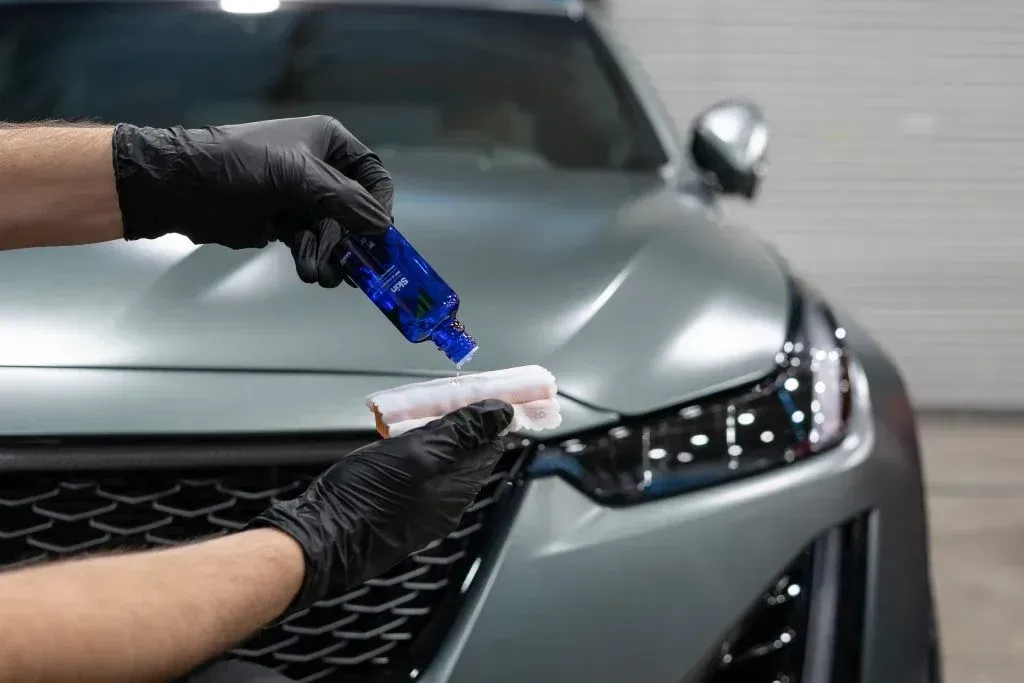
Detailing is different. Detailing is a restoration. It is the process of going inch by inch over the vehicle to remove embedded contaminants, rejuvenate the paint, condition the leather, and extract the dust that settles deep into the carpets. When we talk about car detailing in Lewisville, we are talking about a comprehensive reset button for your vehicle. It is an act of preservation that protects the clear coat from failing and keeps the interior free of allergens.
The General Rule of Thumb: The Seasonal Rhythm
For the average driver in Texas, the most effective schedule for a full detail is roughly every three to four months. Think of it as a seasonal rhythm. Just as the seasons change and bring new weather, our cars face different challenges that require a fresh layer of protection.
By detailing your car four times a year, you are ensuring that there is always a durable layer of wax or sealant protecting your paint. Modern waxes and sealants are incredible, but they are sacrificial layers. They are designed to take the beating from the sun and the rain so that your clear coat doesn't have to. However, in the Texas heat, even the best waxes will begin to break down after about ninety days. If you wait six months or a year, that protective barrier is long gone, leaving your paint vulnerable to oxidation and fading.
The Lewisville Factor: Why Our Location Matters
We have to be honest about where we live. I love Lewisville, but the environment here can be harsh on our vehicles. We are not living in a mild, overcast climate; we are living under the intense Texas sun.
The ultraviolet rays here are relentless. Over time, UV radiation attacks the chemical bonds in your car’s paint and dashboard. Without regular application of UV inhibitors—which are found in quality waxes and interior dressings applied during a detail—your car will begin to age prematurely. You have likely seen cars on the road with peeling clear coats or cracked dashboards; this is often the result of sun exposure without protection.
Furthermore, we have to contend with the environmental fallout specific to our area. In the spring, we are blanketed in yellow pollen. This isn't just unsightly; it is acidic. If left on the paint for too long, combined with morning dew, it can etch into the finish. In the dryer months, we deal with construction dust and road grime that acts like a fine sandpaper on your finish. A regular detailing schedule ensures these contaminants are safely removed before they become permanent scars on your vehicle.
Tailoring the Schedule to Your Life
While the "every three months" rule is a great baseline, your specific life circumstances might call for a slightly different rhythm. We are all on different paths, and our cars reflect that.
If you are a daily commuter, perhaps driving into Dallas or Fort Worth for work, your vehicle is exposed to a high volume of road contaminants, exhaust fumes, and brake dust. Brake dust, in particular, is corrosive. If you look closely at your wheels and see black soot, that is iron and metal shavings from your brakes. If left alone, it will pit your wheels. For the heavy commuter, sticking strictly to that quarterly schedule is vital to keep the car looking new.
On the other hand, perhaps your vehicle is a "garage queen." Maybe you work from home, or you have a second car that stays parked in a covered garage most of the time. In this case, you might be able to extend your detailing schedule to every six months. Since the car isn't fighting the sun and the road daily, the protective wax layers last longer. However, do not neglect it entirely. Even a garaged car gathers dust, and rubber seals can dry out if not conditioned regularly.
Then, there is the "Family Hauler." If you have children or pets, you know that the interior of your car is a high-traffic zone. It sees spilled juice, crushed crackers, muddy paws, and sports equipment. For families, the exterior might be fine with a quarterly wax, but the interior often needs attention much more frequently. I often recommend that families consider a monthly "maintenance" visit or a bi-monthly interior detail. This isn't just about appearances; it is about health. The fabric in your car traps bacteria and allergens. Keeping it clean ensures the air your family breathes is fresh and healthy.
The Eco-Friendly Approach: Stewardship of the Earth
When we talk about cleaning, we must also talk about the products we use. Part of our responsibility is not just to our cars, but to the environment we live in. Traditional car washing uses an immense amount of water and often involves harsh chemicals that run off into storm drains.
At Eco Pal, we believe in a gentler, more conscious approach. We utilize eco-friendly products and water-saving techniques. This means that when you schedule your detailing with us, you are making a choice that aligns with preserving our local ecosystem here in Lewisville. It is a way of getting the best results for your car without compromising your values.
Preservation of Value: The Financial Wisdom
Beyond the spiritual and emotional benefits of a clean environment, there is a practical, financial wisdom to regular detailing. Your vehicle is likely the second largest purchase you will make, right after your home. It is an asset.
When the time comes to sell or trade in your vehicle, its condition will dictate its value. A car with a documented history of professional detailing, with paint that still shines and an interior that looks fresh, will command a significantly higher price than one that has been neglected. Think of the cost of detailing not as an expense, but as an investment into the resale value of the car. You are putting money in now to get money back later.
Conclusion: A Fresh Start
So, to answer the question, "How often should you schedule car detailing in Lewisville?"—for most of us, the answer is with the changing of the seasons. Treat your car to a deep renewal every three to four months. If you have a busy family life or a long commute, you might need to increase that frequency to keep peace of mind.
But more than just the schedule, I want to encourage you to view this not as another chore on your to-do list, but as an act of renewal. There is something wonderful about getting into a car that feels brand new. It lifts your mood. It makes the drive to the grocery store or the office feel a little lighter, a little brighter.
If it has been a while since your car received this kind of attention, don't worry. There is no judgment here, only a willingness to help. Today is a wonderful day for a fresh start. At Eco Pal Mobile Detail, we would be honored to help you restore that feeling of pride and comfort in your vehicle.
If you are ready to get on the schedule and experience the difference, we are here to serve you. You can visit us at ecopalmobiledetail.com to book your appointment. Let’s keep Lewisville shining, one car at a time.